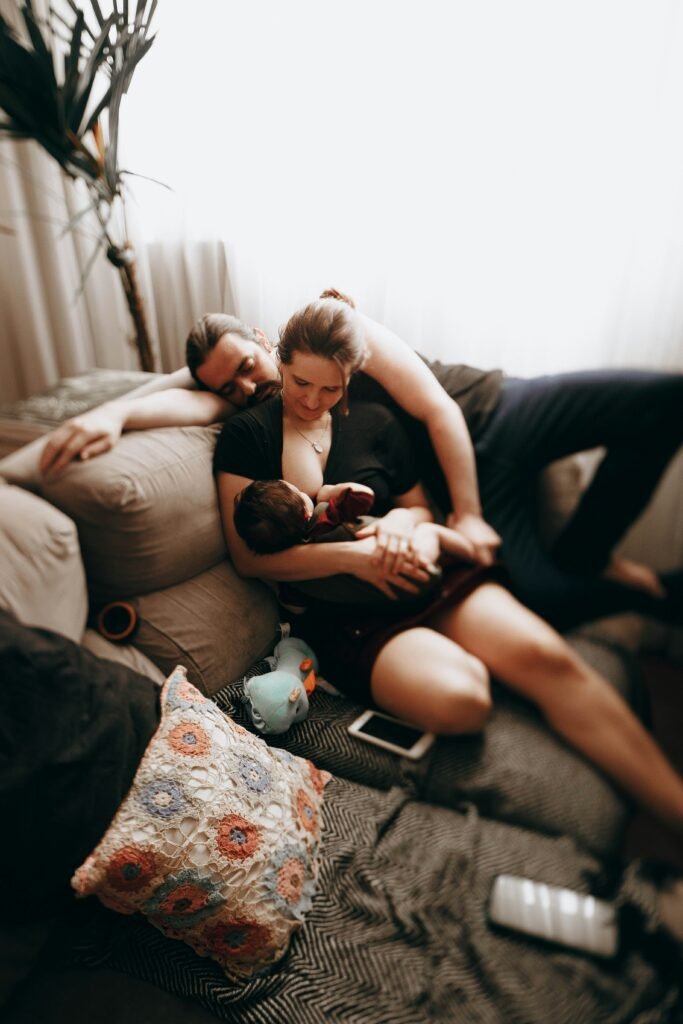
Sweating through your sheets, leaking when you sneeze, unexpected smells and other very real parts of recovery after birth
There are the postpartum changes everyone tells you about.
You’ll be tired. You’ll bleed. Your breasts will change. Your stomach won’t immediately disappear.
And then there are the things people tend to mention only after you’ve had the baby.
You might smell different. You might pee a little when you cough. Passing gas may suddenly be less predictable. Going to the bathroom can become an event you have to mentally prepare for. Your breasts might leak at extremely inconvenient times.
None of these experiences are particularly glamorous.
But knowing they can happen makes them considerably less alarming when they do.
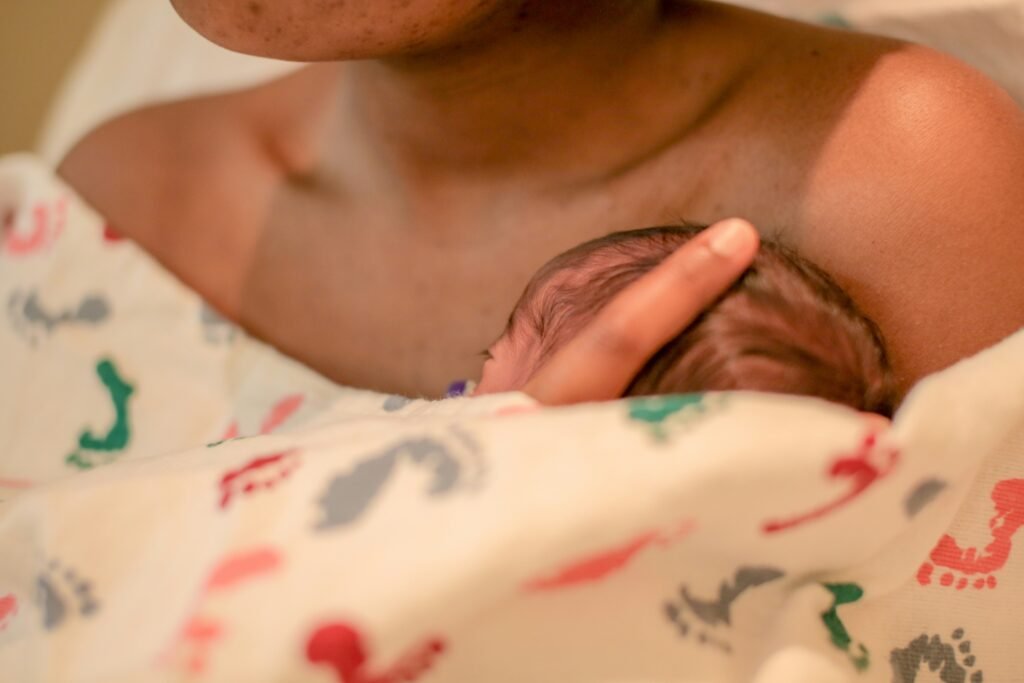
Postpartum recovery comes with a few changes that don’t usually make it into the newborn photos.
1. You might sweat through your clothes at night
You can shower before bed and still wake up feeling like you’ve run a marathon.
Increased sweating, particularly at night, can happen during the early postpartum period as your body adjusts after pregnancy. Hormonal changes and the loss of excess fluid accumulated during pregnancy contribute to this.
For some women, it is mild. For others, pyjamas and bedding can become noticeably damp.
Keep spare sleepwear nearby, use breathable bedding and change damp clothing when necessary.
Sweating itself isn’t usually concerning. Sweating accompanied by fever, chills, worsening pain or feeling significantly unwell is different and deserves medical attention.
2. Your postpartum bleeding has a name, and it isn’t a period
The vaginal bleeding and discharge after childbirth is called lochia.
And yes, you still experience it after a Caesarean birth because the discharge comes from the uterus, not from trauma caused by vaginal delivery.
It is usually bloody and heavier during the first few days, then gradually decreases and changes colour as recovery progresses. Lochia can continue for several weeks.
Small clots can occur, particularly early on.
What you shouldn’t ignore is bleeding that suddenly becomes very heavy, large clots, worsening abdominal pain, fever or discharge that smells distinctly foul.
Bleeding, sweating and physical discomfort can continue after you leave hospital, even when recovery is progressing normally.
3. You might pee when you sneeze
Or cough.
Or laugh.
Pregnancy and childbirth place considerable strain on the pelvic-floor muscles that help control the bladder and bowel.
As a result, some women experience urinary leakage after birth.
You may also notice that urinating feels strange during the first few days. After a vaginal delivery, swelling, bruising or perineal tears can make urination uncomfortable or cause stinging.
A peri bottle, which is simply a squeeze bottle filled with warm water, can be used to gently rinse the perineal area while you urinate and may make things more comfortable.
Pelvic-floor exercises can help with bladder control during recovery.
But don’t assume you’re expected to leak urine forever because you’ve had a baby. If leakage isn’t improving, continues beyond the early postpartum period, or is interfering with everyday life, talk to your healthcare provider. Pelvic-health physiotherapy may be appropriate.
4. You may have less control over gas than you expected
This one can be particularly embarrassing because nobody expects it.
Some women notice that passing gas feels different after childbirth. You may pass gas unexpectedly or have more difficulty controlling it than you did before pregnancy.
Pregnancy and vaginal childbirth can stretch the pelvic-floor muscles and tissues involved in bowel control. More significant injuries involving the anal sphincter can also occur during some vaginal births.
Temporary changes can improve as tissues recover.
But regularly leaking stool or being unable to control bowel movements isn’t something you should simply accept as the new normal after having a baby.
Tell your healthcare provider. These are recognised postpartum health problems and treatments are available.
5. Your first few bowel movements may require some courage
Constipation is common after childbirth.
Bowel movements may also feel intimidating if you have haemorrhoids, perineal swelling, stitches or a tear.
One fear worth clearing up is that having a bowel movement will automatically rip your stitches open.
That is very unlikely.
Try to avoid straining. Drink enough fluid, gradually include fibre-rich foods in your diet and move around when you’re able. If constipation is becoming a problem, ask your healthcare provider whether a stool softener or laxative is appropriate.
And yes, haemorrhoids can appear or become worse after childbirth too.
Pregnancy itself can contribute to them, and the pressure and pushing associated with labour can make them worse.
They usually improve during postpartum recovery, but persistent bleeding, significant pain or haemorrhoids that aren’t improving should be assessed.
6. Your breasts may leak at inconvenient times
You hear a baby cry.
Except it isn’t even your baby.
And suddenly your shirt is wet.
When you’re breastfeeding, milk can leak between feeds, particularly while your milk supply is becoming established. One breast may also leak while your baby feeds from the other.
Breast pads can help protect clothing and should be changed when damp.
Leaking doesn’t tell you exactly how much milk you’re producing, and not leaking doesn’t automatically mean you have a low milk supply.
It is simply one of the possible quirks of lactation.
7. Your vulva might look different
This one can be surprising if you weren’t expecting it.
After a vaginal birth, the vulva and perineum can be swollen, bruised and sore. The area may temporarily look and feel different because the tissues have stretched considerably during delivery.
If you had stitches, dissolvable stitches may take a few weeks to disappear, and you may even notice small pieces of suture material on your underwear or pad as they dissolve.
The swelling and discomfort should gradually improve.
Increasing pain, new bleeding, pus or unusual discharge from the wound, fever or a wound that appears to be opening should be assessed.
8. Sitting down can suddenly require strategy
A vaginal birth can leave the perineum feeling bruised and swollen even without a significant tear.
Add stitches or haemorrhoids and suddenly sitting upright on a hard chair isn’t particularly appealing.
Cold packs during the early period, warm sitz baths later when appropriate, prescribed or recommended pain relief and simply changing positions can help.
You do not need to spend your first few days pretending sitting doesn’t hurt.
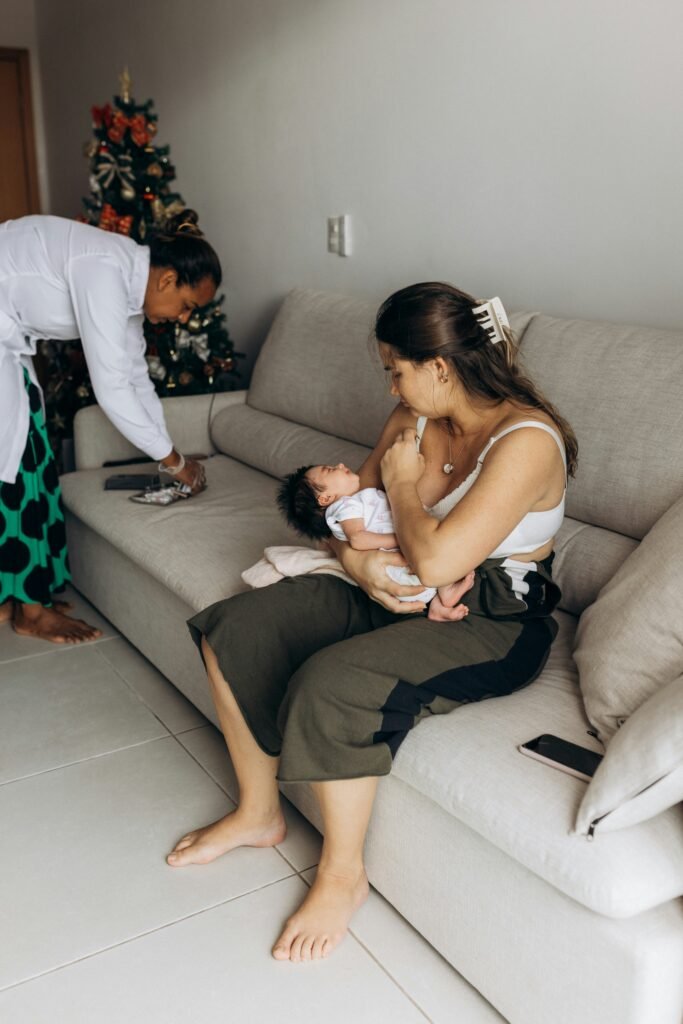
Practical help at home can give you more time to rest while your body recovers.
Some awkward things still deserve medical attention
Calling something “common postpartum” should never become an excuse to ignore symptoms.
Contact your healthcare provider if you experience things such as:
- bleeding that is becoming very heavy
- foul-smelling vaginal discharge
- fever or chills
- worsening abdominal, pelvic or perineal pain
- difficulty urinating or being unable to urinate
- persistent urinary leakage that isn’t improving
- inability to control stool
- a wound or stitches that appear infected or aren’t healing
- symptoms that simply seem to be getting worse rather than better
Postpartum healthcare includes your bladder, bowel, pelvic floor, vagina, breasts, wounds and everything else that changed during pregnancy and birth.
You are allowed to talk about the awkward stuff.
The bottom line is simply that…
Postpartum recovery isn’t particularly glamorous.
There can be sweat. Blood. Leaking milk. Haemorrhoids. Constipation. Unexpected gas. Sore stitches. And occasionally a little pee when you sneeze.
Most of these aren’t the parts of having a baby that make it into the photos.
But they’re real parts of postpartum recovery.
Knowing about them beforehand means that when you’re standing in your bedroom at 3 a.m. changing a sweat-soaked T-shirt while wearing a maternity pad and wondering what on earth has happened to your body, you at least know:
somebody should have warned you.