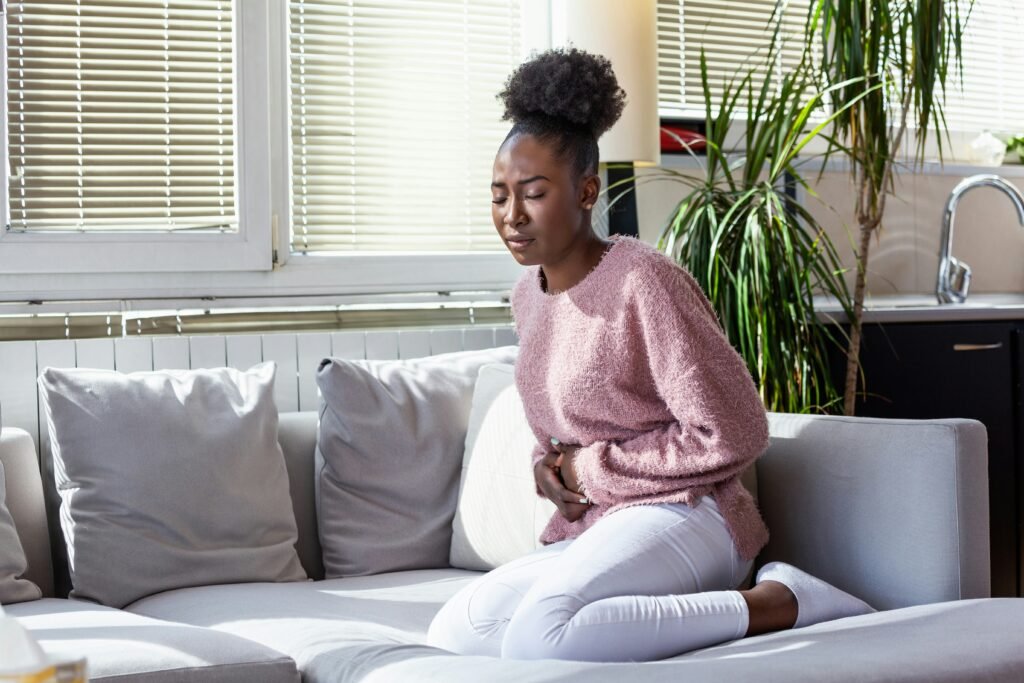
You finally stop postpartum bleeding.
Weeks, sometimes months, pass.
And then your period comes back.
Except it may not feel like your period at all.
It can arrive heavier than you remember. The cramps may be different. The timing may be unpredictable. Or, strangely enough, it may be easier than the periods you had before pregnancy.
Your menstrual cycle does not necessarily pick up exactly where it left off before you became pregnant.
And the way it returns can depend heavily on whether you’re breastfeeding, how your hormones are settling, and what your cycle was like before pregnancy.
First: When Does Your Period Actually Come Back?
There is no universal postpartum timeline.
If you’re formula feeding or combining breastfeeding with formula, menstruation can return surprisingly early — sometimes around five to six weeks after birth.
If you’re exclusively breastfeeding, particularly including overnight feeds, your period may stay away for much longer because hormones involved in milk production can suppress ovulation.
That means two women who gave birth on exactly the same day could have completely different experiences.
One may have a period within two months.
The other may go many months without one.
Both can be normal.
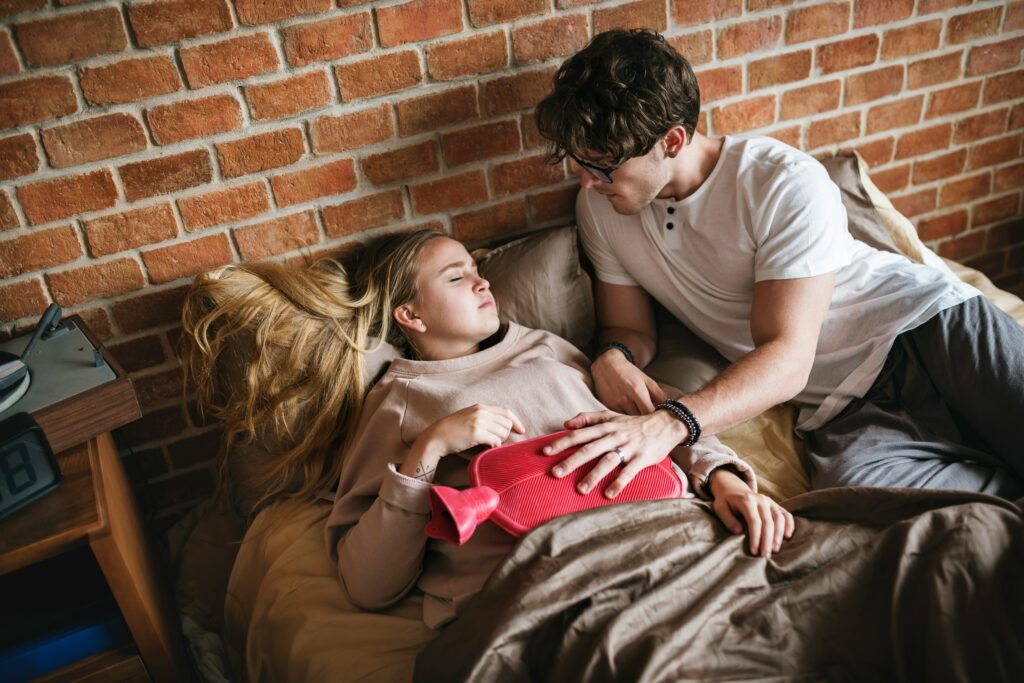
Your First Period May Be Heavier
This catches a lot of women off guard.
Your first few periods after pregnancy can be heavier than they were before, may contain small clots, and may be less predictable while your cycle re-establishes itself. Cramping can also feel different sometimes stronger, sometimes surprisingly milder.
If you’re breastfeeding and your periods have returned, irregularity can be especially common while feeding patterns and hormone levels continue changing.
The important distinction is between different and concerning.
If bleeding is dramatically heavier than your usual period, contains large clots, or simply feels wrong to you, it’s worth speaking with your healthcare provider.
And No — Your First Bleed Isn’t Always Your First Period
After giving birth, vaginal bleeding called lochia can continue for several weeks.
It usually begins quite heavily and gradually changes colour and reduces over time. It can sometimes become temporarily heavier again, including after breastfeeding because uterine contractions increase.
That means bleeding in the early postpartum period is not necessarily menstruation.
Your actual cycle returns later.
Here’s the Part People Often Miss: You Can Ovulate Before Your Period
Your first period is evidence that a cycle has already happened.
Ovulation comes first.
That means pregnancy can occur before you’ve seen a single postpartum period.
In fact, fertility can return as early as about three weeks after birth, even while breastfeeding and even if menstruation hasn’t restarted.
So “I haven’t gotten my period yet” isn’t reliable contraception by itself.
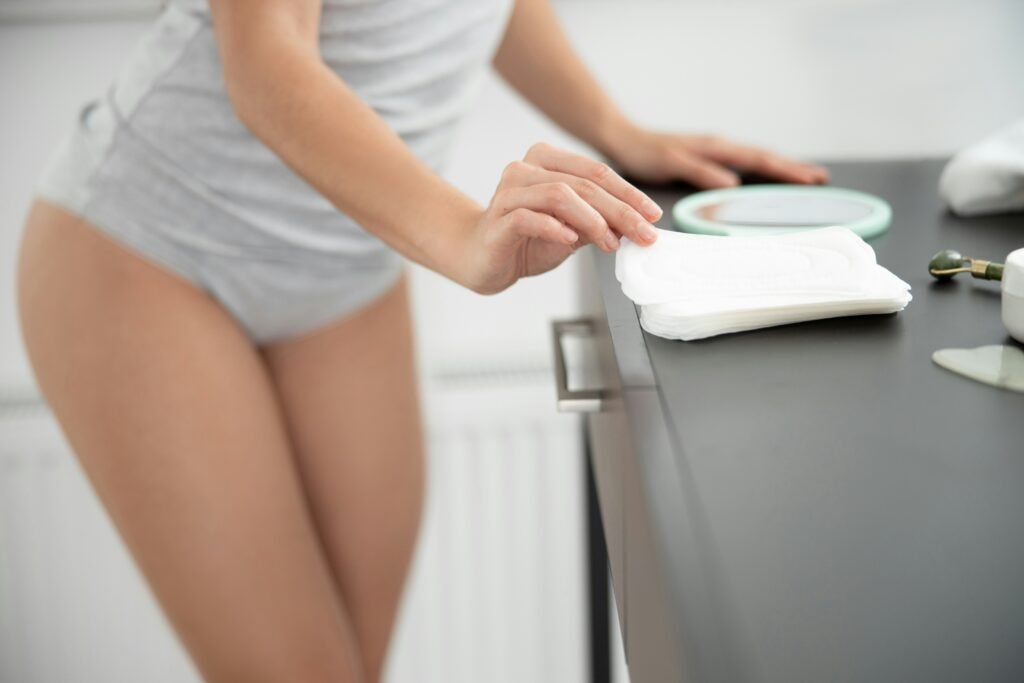
Your “Normal” May Actually Change
Pregnancy changes a lot.
And occasionally, your cycle afterward simply settles into a slightly different pattern than the one you had before.
You may notice changes in:
- flow
- cycle length
- cramping
- premenstrual symptoms
- regularity
Some of those changes settle over subsequent cycles.
Others may become your new normal.
The bigger point is that your body is not pressing a reset button and returning instantly to its pre-pregnancy state.
It’s recalibrating.
And like most things postpartum, that process deserves a little patience.
At Postpartum Partners, we offer in-home postpartum and newborn support across Vancouver, including overnight care, so families have practical support while navigating all the changes that come with life after birth.